By Beyond Chutney
Indian food is one of the most diverse and complex cuisines in the world—not just because of its flavors, but because of the stories, cultures, and histories that shape every dish. What most people outside of India call “Indian food” is often a simplified version of just one region, one dish, or even one spice. But the reality is far richer.
A Land of Many Cuisines, Not One
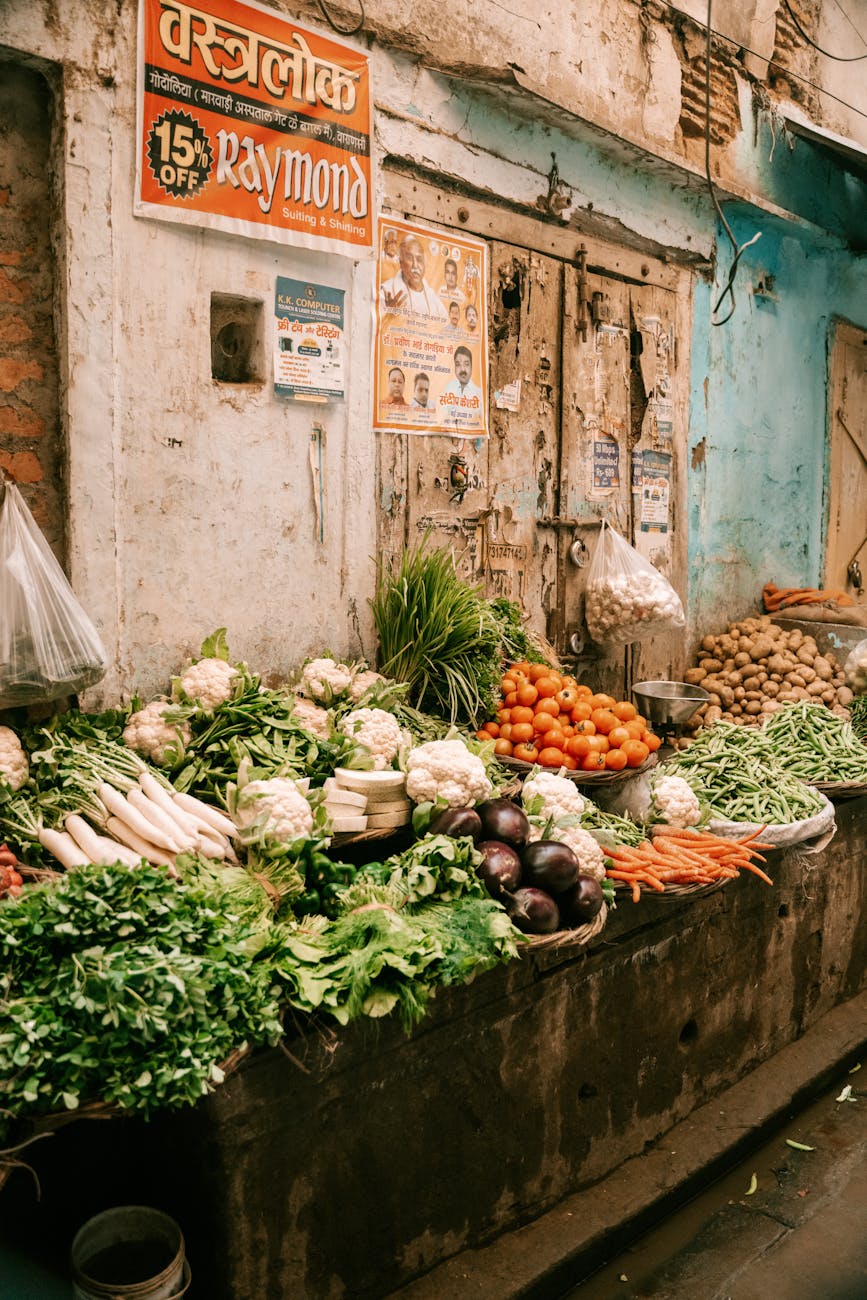
India isn’t home to just one cuisine—it’s home to dozens. Food in India changes dramatically from state to state, sometimes even between neighboring towns. What’s eaten in Kerala is miles apart from what’s found in Punjab, not just in ingredients, but also in cooking methods, staple grains, and the role of food in daily life.
- North India is known for breads like naan and paratha, rich gravies, and dairy-based dishes—think butter chicken, paneer, and lassi.
- South India leans toward fermented foods like dosa and idli, tangy tamarind-based curries, coconut-heavy flavors, and rice as a staple.
- East India brings mustard oil, freshwater fish, and lightly spiced dishes into the spotlight, especially in Bengali cuisine.
- West India varies from the vegetarian richness of Gujarat to the spicy, coconut-based flavors of Goan Catholic cuisine.
And that’s still a massive simplification.
Spices: Not Just for Heat
Spices are central to Indian food, but they’re not used for the sake of spiciness. In fact, most dishes aren’t overwhelmingly hot unless you ask for them that way. The purpose of spices in Indian cooking is balance—of heat, sweetness, acidity, and aroma.
A typical Indian spice box (masala dabba) might include:
- Cumin (jeera)
- Coriander (dhania)
- Turmeric (haldi)
- Red chili powder
- Mustard seeds
- Fenugreek
- Cloves, cardamom, cinnamon (often for festive or rich dishes)
Each region emphasizes different spice combinations. While garam masala might be a pantry staple in North Indian homes, it’s rarely used in the South.
The Role of Religion and Culture
Dietary choices in India are deeply influenced by religion and culture. Many Hindus avoid beef, many Muslims avoid pork, and a large number of people—especially in certain communities and states—follow a vegetarian or even vegan diet by tradition.
In Gujarat, you’ll find predominantly vegetarian food across the board, including in street stalls. In contrast, in Kerala, fish is a staple in nearly every home. Meanwhile, in Kashmir, food like rogan josh (lamb curry) and kahwa (spiced green tea) show Persian influences.
The Power of Thali
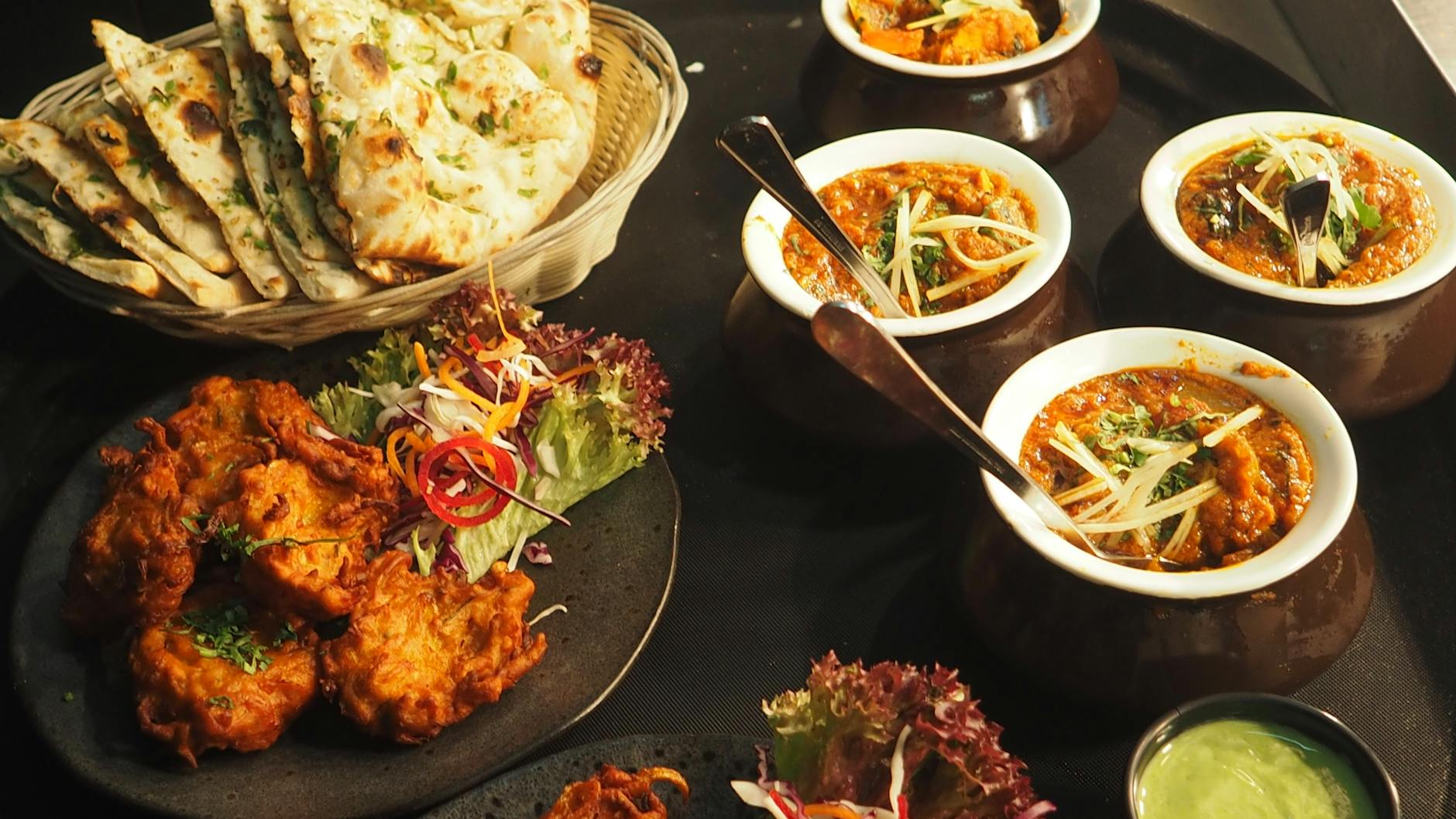
A thali isn’t just a way of serving food—it’s a philosophy. It’s about balance: sweet, salty, spicy, bitter, and sour all on one plate. A traditional thali might include:
- A dal (lentils)
- A dry vegetable dish
- A curry
- Pickles
- Raita (yogurt condiment)
- Rice and/or roti
- A sweet
Each element plays a role in digestion, satiety, and nutrition. It’s not uncommon for Indian meals to be intuitively aligned with Ayurvedic principles, even when not explicitly labeled that way.
What About Indian Sweets?
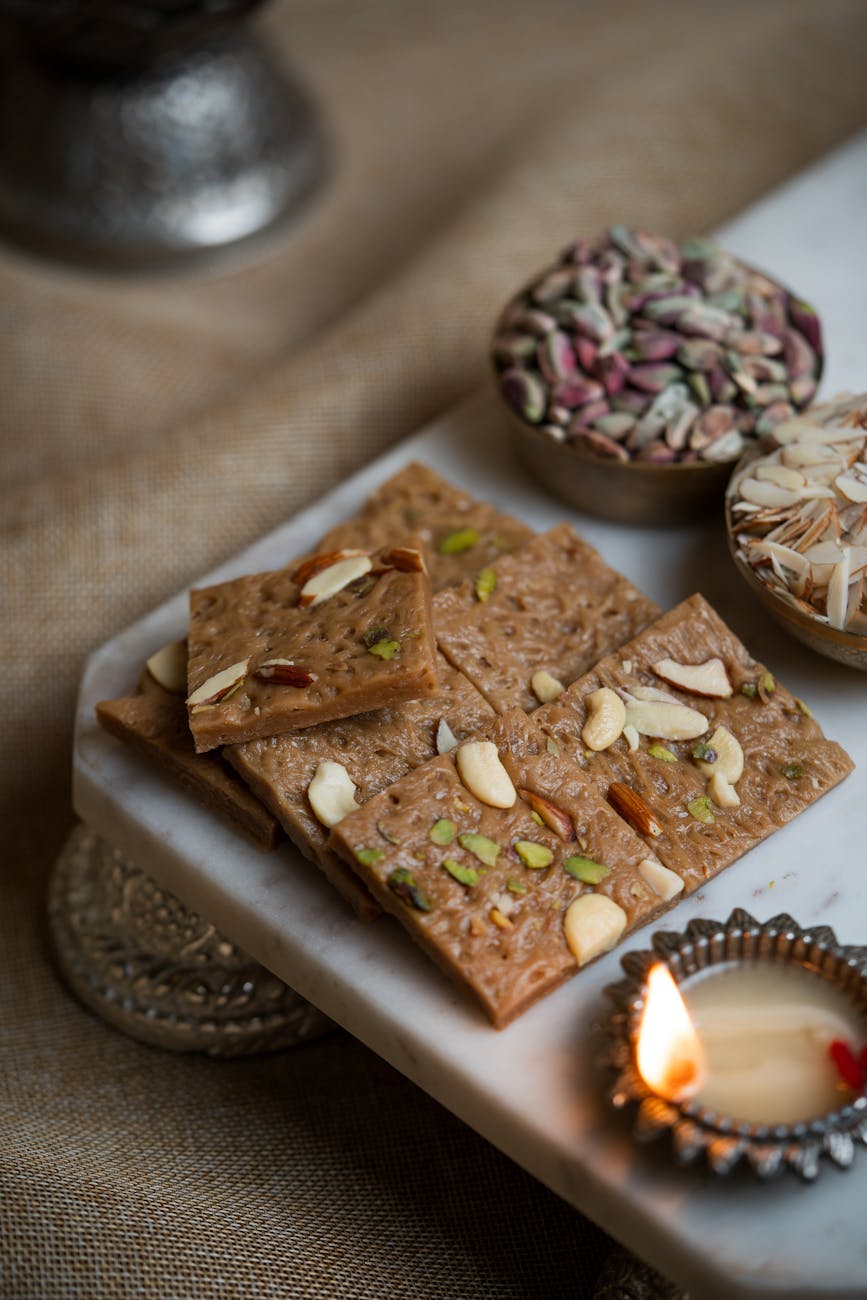
Indian desserts are their own universe. From milk-based sweets like rasgulla and peda to deep-fried ones like gulab jamun and jalebi, sugar is taken seriously. Sweets are often seasonal or festival-specific, like:
- Laddus during Diwali
- Sheer khurma during Eid
- Payasam during Onam
- Modak for Ganesh Chaturthi
They’re not just desserts—they’re offerings, traditions, and celebrations.
The Influence of History
Colonialism, trade, migration, and regional empires all left their mark on Indian cuisine. Mughal rule introduced rich, meat-heavy dishes, dried fruits, and nuts. The Portuguese brought chili peppers, which are now integral to many regional recipes. British influence is still seen in foods like cutlets and chutneys.
Indian food, in that sense, has always been evolving—adapting ingredients from abroad, reimagining dishes, and making them its own.

Modern Indian Food: Reinvention or Fusion?
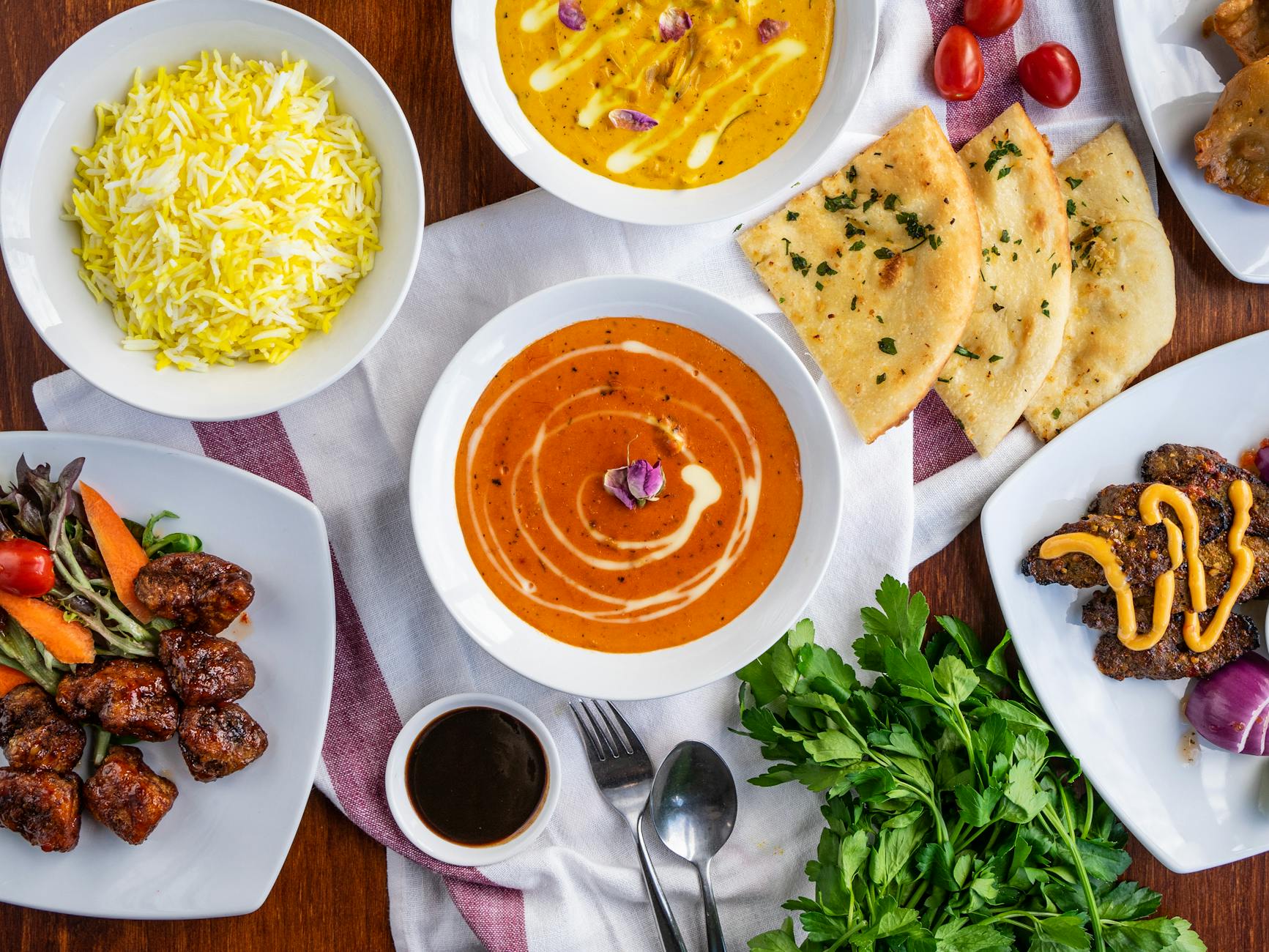
Today, Indian food is going through a quiet revolution. Young chefs are modernizing classics, giving a fine-dining twist to street food, or exploring lesser-known regional dishes. Indian fusion is also growing outside the country—with dishes like masala tacos, butter chicken pizza, and chai lattes becoming globally recognized (even if not always authentic).
And yet, nothing beats the comfort of dal-chawal or the aroma of homemade masala simmering on a stovetop.
The Heartbeat of Indian Cities: A Closer Look at Street Food Culture in India
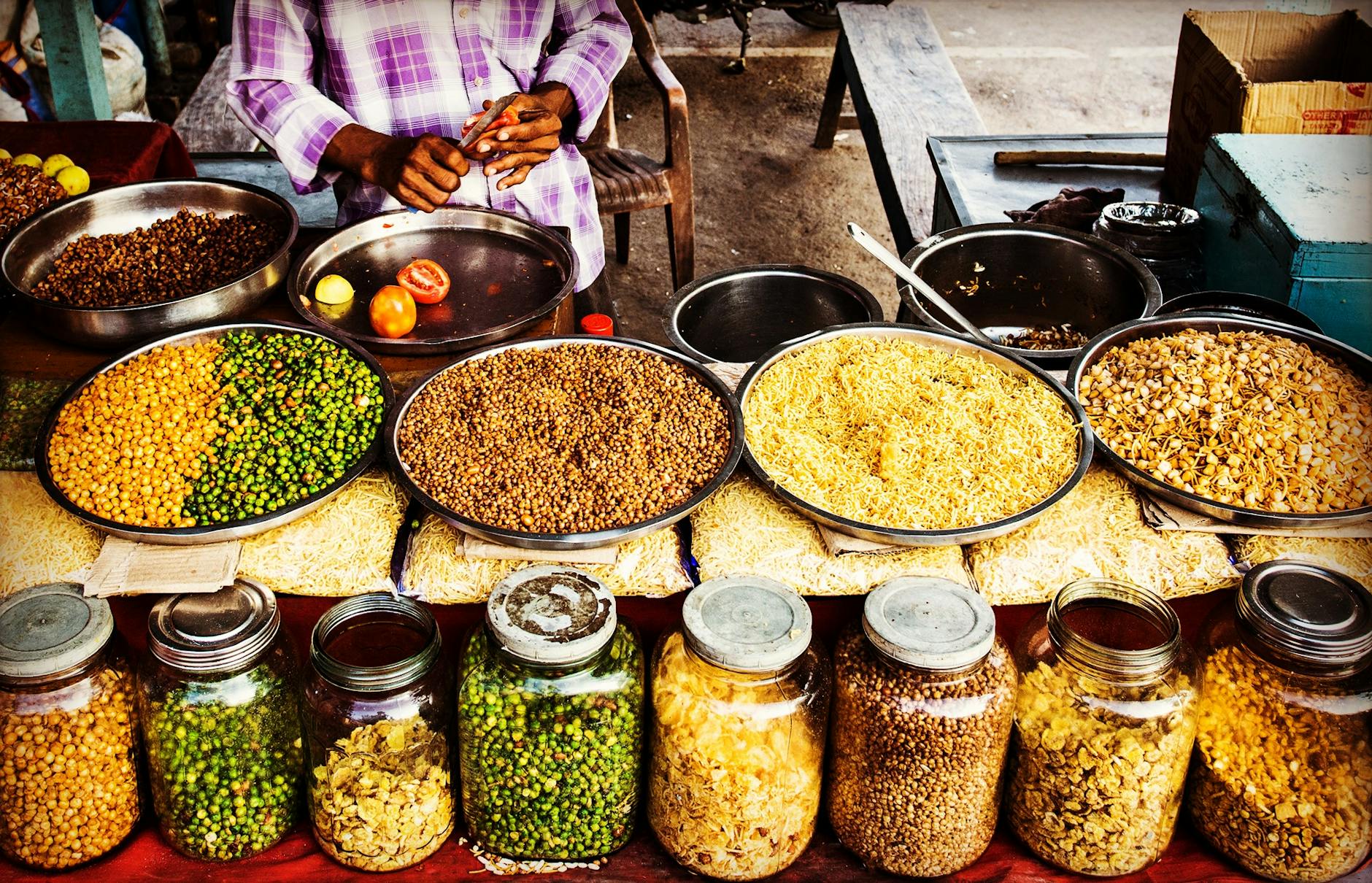
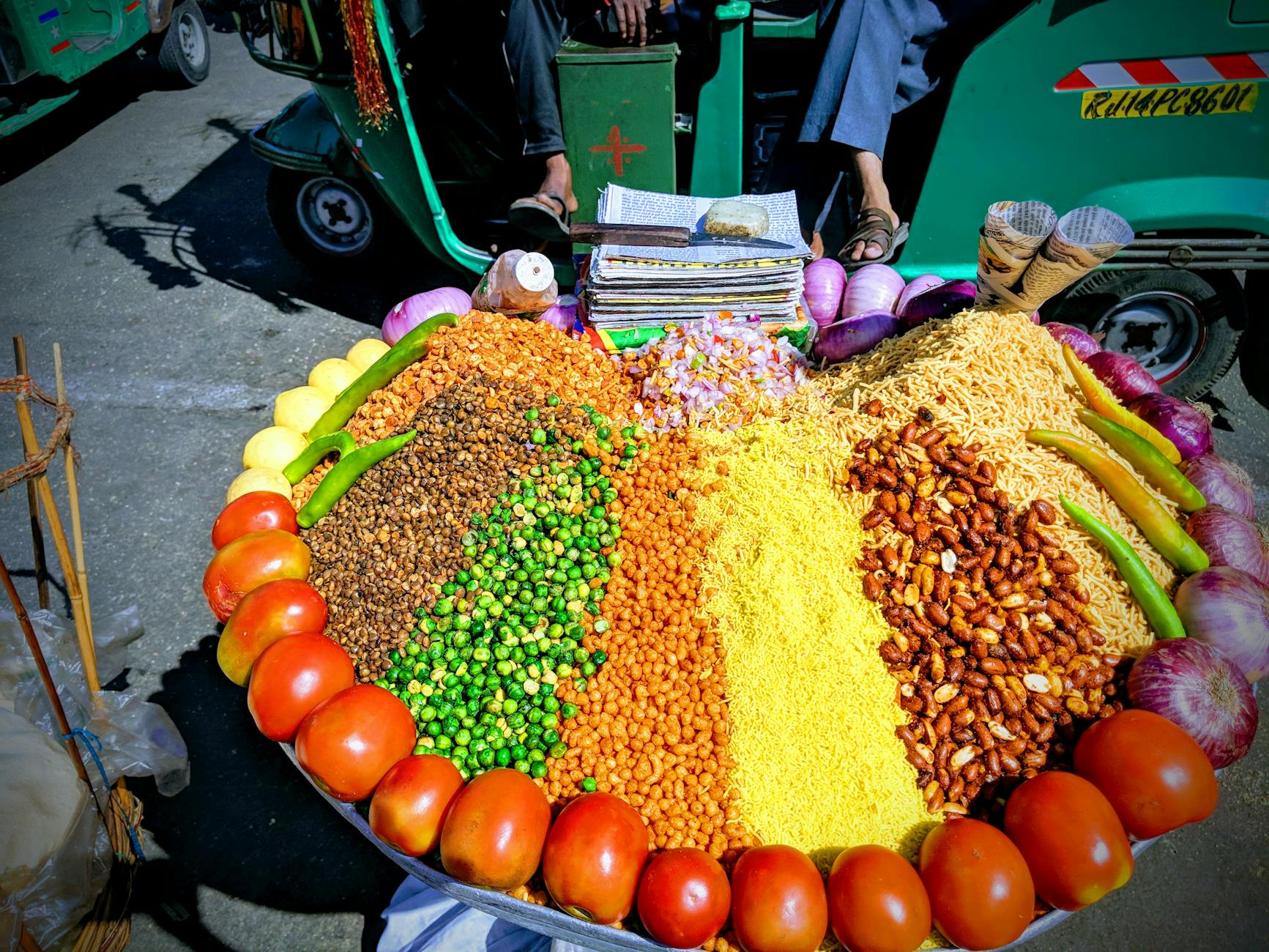
Street food in India isn’t just about quick meals—it’s an essential part of daily life, local identity, and cultural expression. From bustling metros to quiet towns, street vendors line sidewalks, markets, and train stations, offering everything from full meals to light snacks, often at prices accessible to everyone. But there’s more to Indian street food than just convenience or affordability.
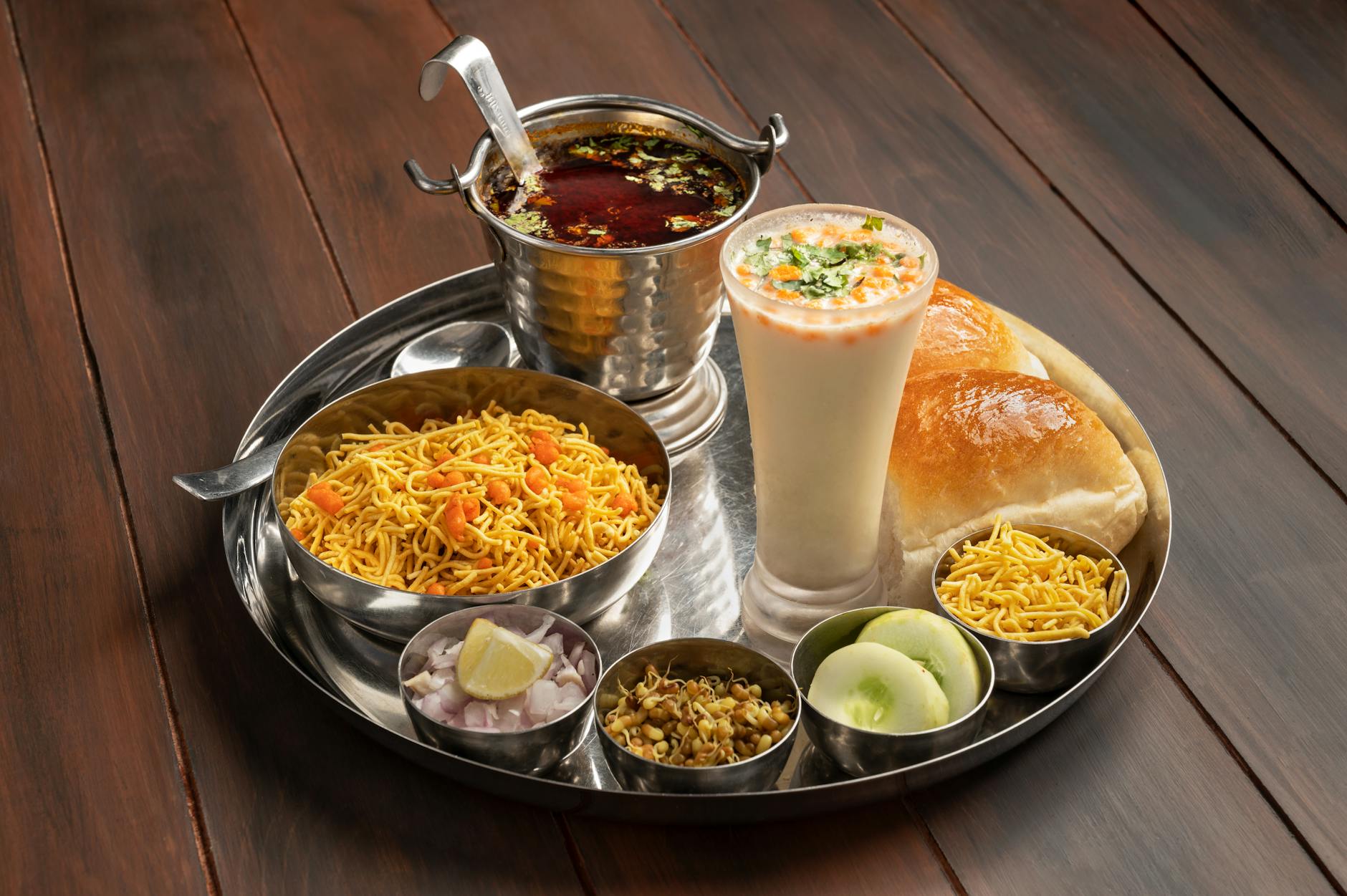
Each city, and often each neighborhood, has its own signature items shaped by regional flavors, seasonal ingredients, and cultural traditions. In Mumbai, vada pav—deep-fried potato patties tucked into a bun with spicy chutneys—is the go-to comfort food. In Delhi, chaat stalls serve up a medley of textures and flavors with dishes like golgappa (pani puri), aloo tikki, and dahi bhalla. In Kolkata, kati rolls—paratha wraps filled with spiced meats or vegetables—are an everyday favorite. Down south in Chennai, you’ll find crispy dosa and idli served fresh off the griddle at roadside stands.
Street food culture thrives on high turnover and fast service, with vendors often mastering just a few dishes that they prepare dozens—or hundreds—of times a day. Many of these recipes have been passed down through generations, refined through repetition, and adapted to changing tastes. While some carts operate on footpaths with minimal setup, others are more structured with permanent stalls and loyal customers who return daily.
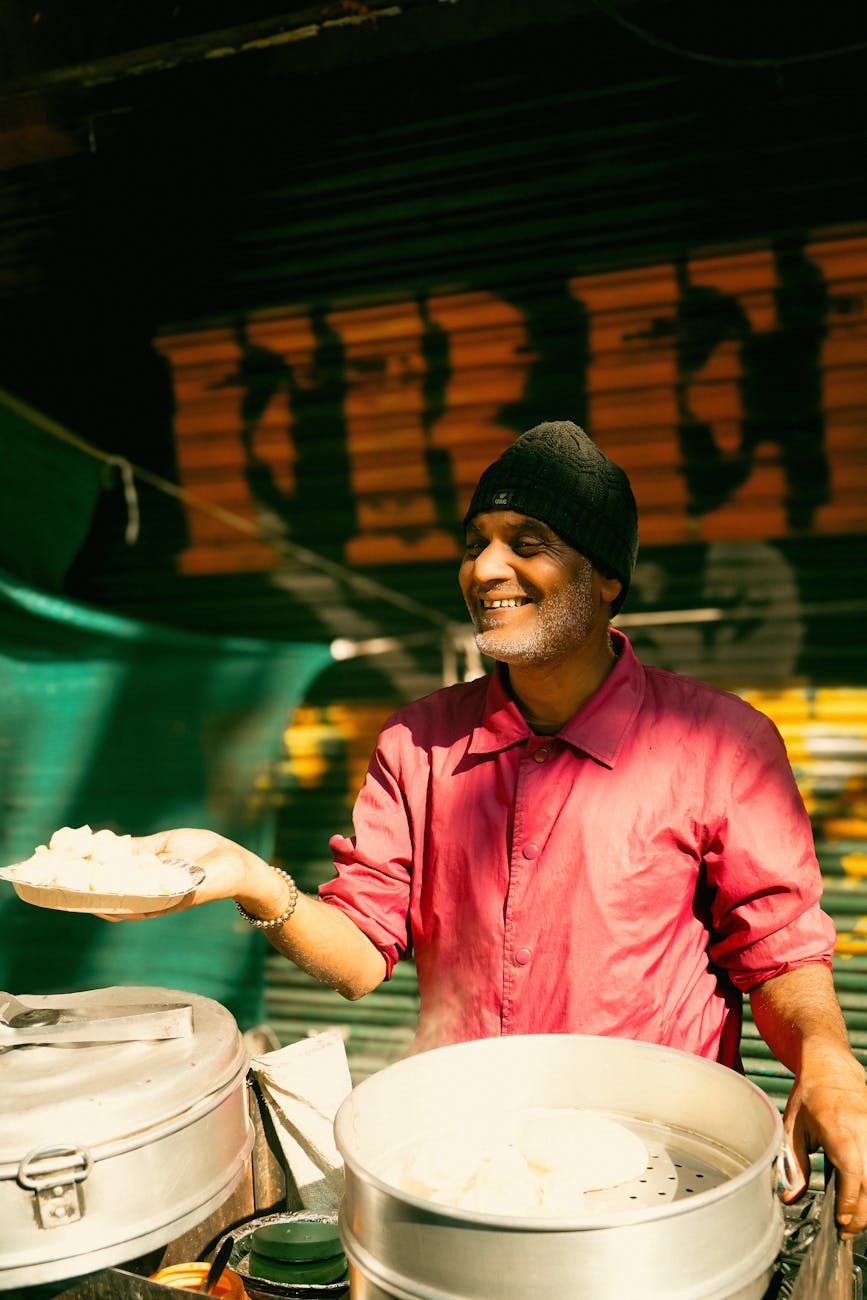
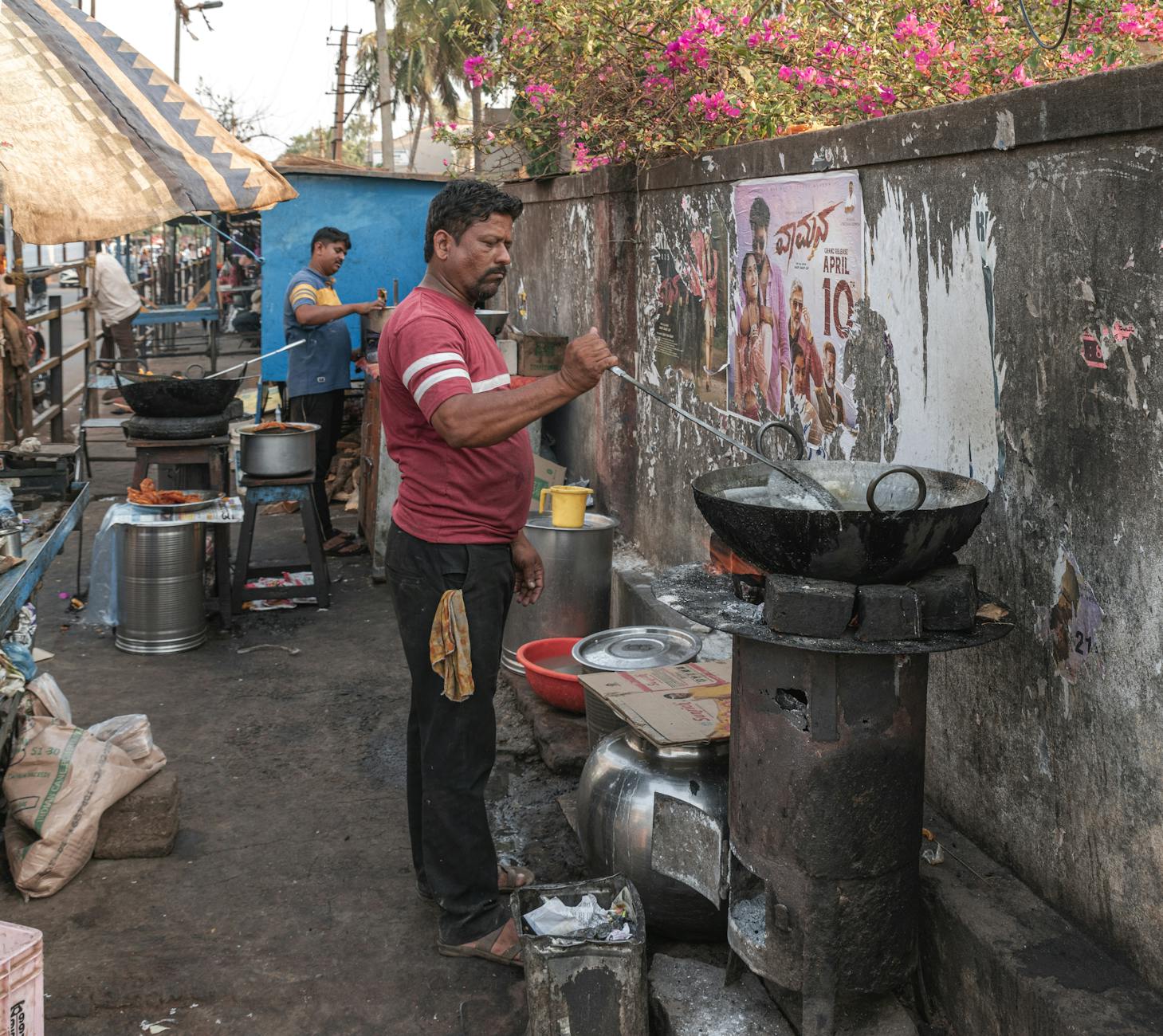
Hygiene standards vary, though awareness and regulation have increased in recent years. Despite this, the draw remains strong: people trust their neighborhood vendors, not just for taste, but for consistency and human connection. It’s common for vendors to remember your usual order, greet you by name, and serve food with a touch of familiarity that’s hard to replicate in restaurants.
Beyond the food itself, Indian street food culture is a sensory experience. There’s the sound of onions hitting hot oil, the clatter of steel plates, the smoky scent of char-grilled kebabs, and the ever-present buzz of people. Eating on the street often means standing, sharing space with strangers, and soaking in the life of the city as it moves around you.
In short, Indian street food is more than a culinary tradition—it’s a reflection of the country’s diversity, creativity, and everyday hustle. It adapts constantly, stays rooted in the local, and offers an unfiltered glimpse into how India eats when no one’s watching.
Final Thoughts
Indian food is deeply tied to place, tradition, and daily life. It reflects regional climates, cultural values, and generations of shared knowledge. Whether it’s a humble dal cooked at home or a snack grabbed from a crowded street corner, every dish tells a story. Exploring Indian cuisine means looking beyond restaurant menus and discovering how food connects people, places, and moments in time. The more you learn, the more you realize how much there is still to taste and understand.
Further Readings
Encyclopaedia Britannica: Overview of Indian Cuisine
https://www.britannica.com/topic/Indian-cuisine
Pew Research – Food & Religion in India
https://www.pewresearch.org/short-reads/2021/07/08/eight-in-ten-indians-limit-meat-in-their-diets-and-four-in-ten-consider-themselves-vegetarian/
Journal of Ethnic Foods – Evolution of Indian Cuisine
https://journalofethnicfoods.biomedcentral.com/articles/10.1186/s42779-022-00129-4
Association for Asian Studies – Exploring Indian Culture Through Food
https://www.asianstudies.org/publications/eaa/archives/exploring-indian-culture-through-food/
NPR – The Crackling Spices of Indian Tempering (Tadka)
https://www.npr.org/2011/12/07/143251451/the-crackling-spices-of-indian-tempering
Kendall Reagan Nutrition Center (CSU): Global Cuisine Series – India
https://www.chhs.colostate.edu/krnc/monthly-blog/global-cuisine-series-exploring-indian-cuisine/
NDTV Food – Indian Regional Cuisine Guide
https://food.ndtv.com/food-drinks/indian-regional-cuisines-guide-1633669
The Spruce Eats – Introduction to Indian Cooking
https://www.thespruceeats.com/introduction-to-indian-cuisine-1957696
Serious Eats – Indian Cooking Techniques & Tips
https://www.seriouseats.com/indian-cuisine-5118365

